

Forest Bathing
Natural environments can have a positive effect on our wellbeing, and with poor mental health often being linked to certain conditions such as coronary heart disease, the importance of relaxation is becoming ever more apparent.
Shinrin-yoku, the Japanese art of forest bathing to promote good health, has been a major form of relaxation in Japan since the 1980’s, and simply involves spending time in a forest. A woodland walk can significantly improve negative emotions such as hostility, depression, and anxiety, especially for those who are particularly stressed (Morita et al 2006). It can also help to boost immune systems, lower blood pressure, and balance hormones.
These benefits are achievable in any type of forest environment regardless of the conditions, length of stay, and activities – the visual factor alone can be enough to have an impact. Shinrin yoku is therefore an accessible and enjoyable way to reduce stress levels, leading to improved mental and physical health.
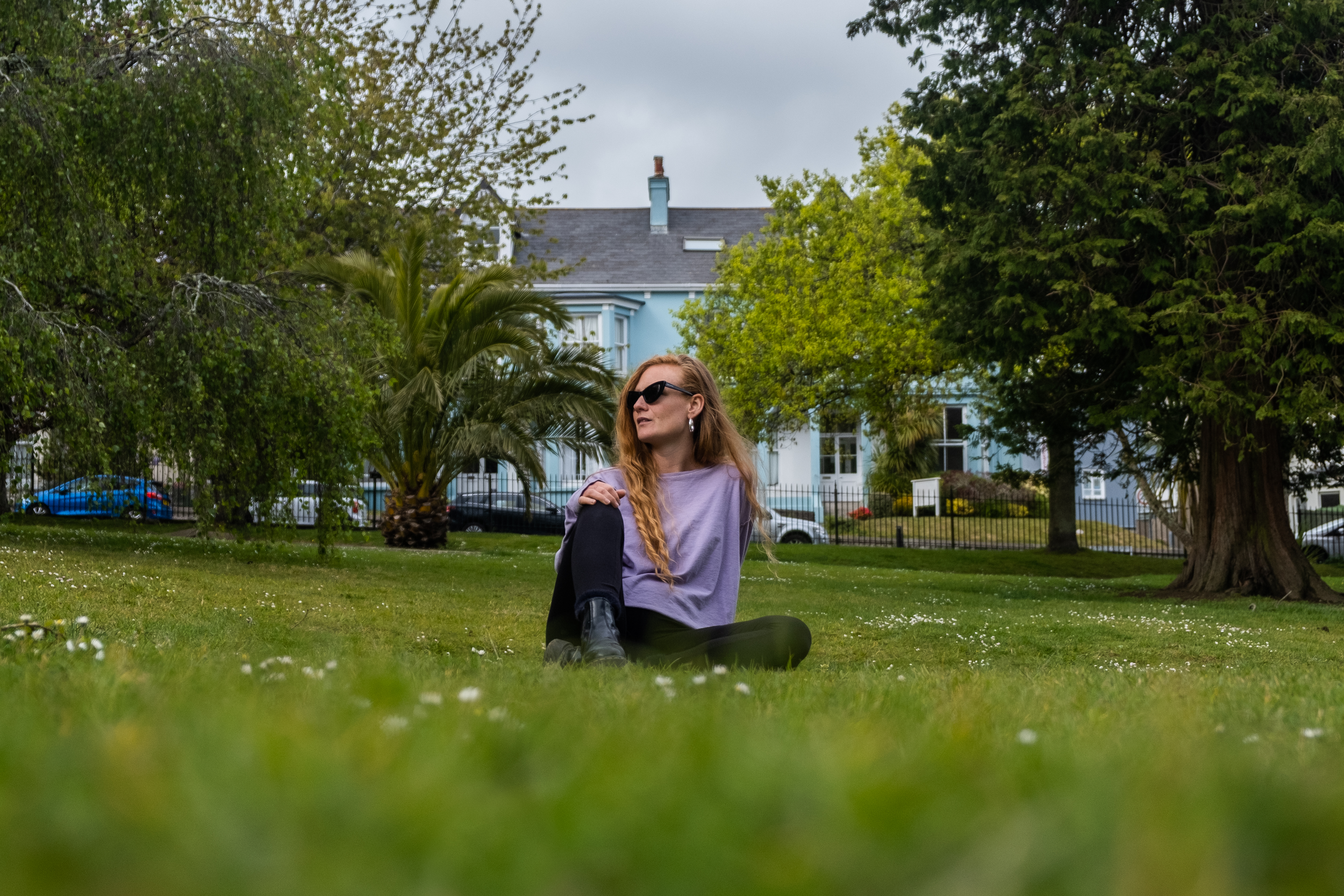
Urban green spaces
Poor mental health has become the most common source of disability around the world, and there is a growing need to promote mental wellbeing as a preventative measure. There has been an increasing amount of evidence that shows strong links between natural environments and their positive effect on mental health, but with over 80% of the UK population living in an urban setting, larger green and blue spaces such as forests and beaches, can be difficult to access.
In cities and towns, public open spaces are usually provided and maintained for the benefit of the public. Research has found that a green space of any size or function can lower mental distress, from landscaped gardens to playing fields, and the more parks in a neighbourhood, the greater the benefits (Wood et al 2017). Thanks to the physical activity, lifestyle, and environmental effects of these parks and green spaces, they can have a significant positive impact on mental health.

Cold water swimming
Blue spaces such as lakes and rivers are often associated with positive improvements on mental health, but none more so than the ocean. In 1637, Dr Wittie recommended bathing in seawater as a remedy for various physical and mental conditions, and this ‘sea cure’ has once again been growing in popularity.
Cold water swimming can significantly reduce tension and fatigue while having a positive effect on mood and memory, and repeat exposure can help the body
withstand other stress due to changes in the nervous system (Huttunen et al 2004). Regular swimmers also report feeling ‘transformed in mind and body’, and more connected to nature (Denton et al 2019).
Simply being near the coast can encourage physical activity and increase social
interaction which can boost positive wellbeing, and the visual factor alone can help ease depression (Dempsey et al 2018). With a third of the world’s population living along the coast, the ‘sea cure’ may have some benefits in the modern world.
 Josie Travels
Leave a comment