
Allure
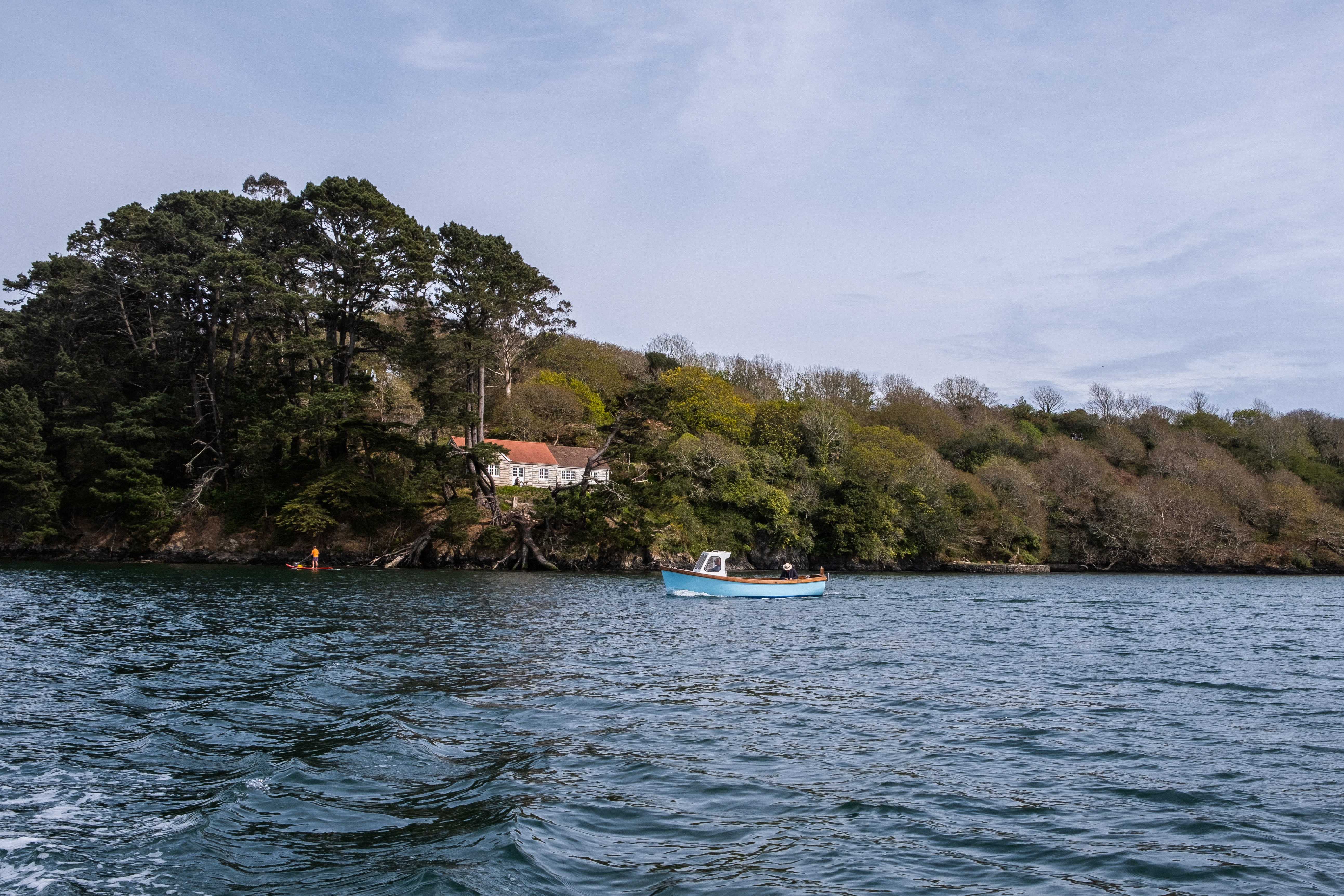
“The Helford River has long been one of Cornwall’s premier destinations for yachtsmen, drawn to its unspoilt beauty, hidden creeks and ancient oak woodlands.”
The Helford River was always a vital part of local industrial and agricultural industries serving mines, farms, quarries and the fishing trade, but these industries have now mostly been replaced by tourist activities such as boat tours, kayaking, paddle boarding and sailing, with many holiday homes and businesses catering to tourists. The river is a Cornwall Area of Outstanding Natural Beauty, and one only needs an afternoon here to understand the allure of the area which has inspired a myriad of artists and writers, and continues to attract many visitors each year.
Home
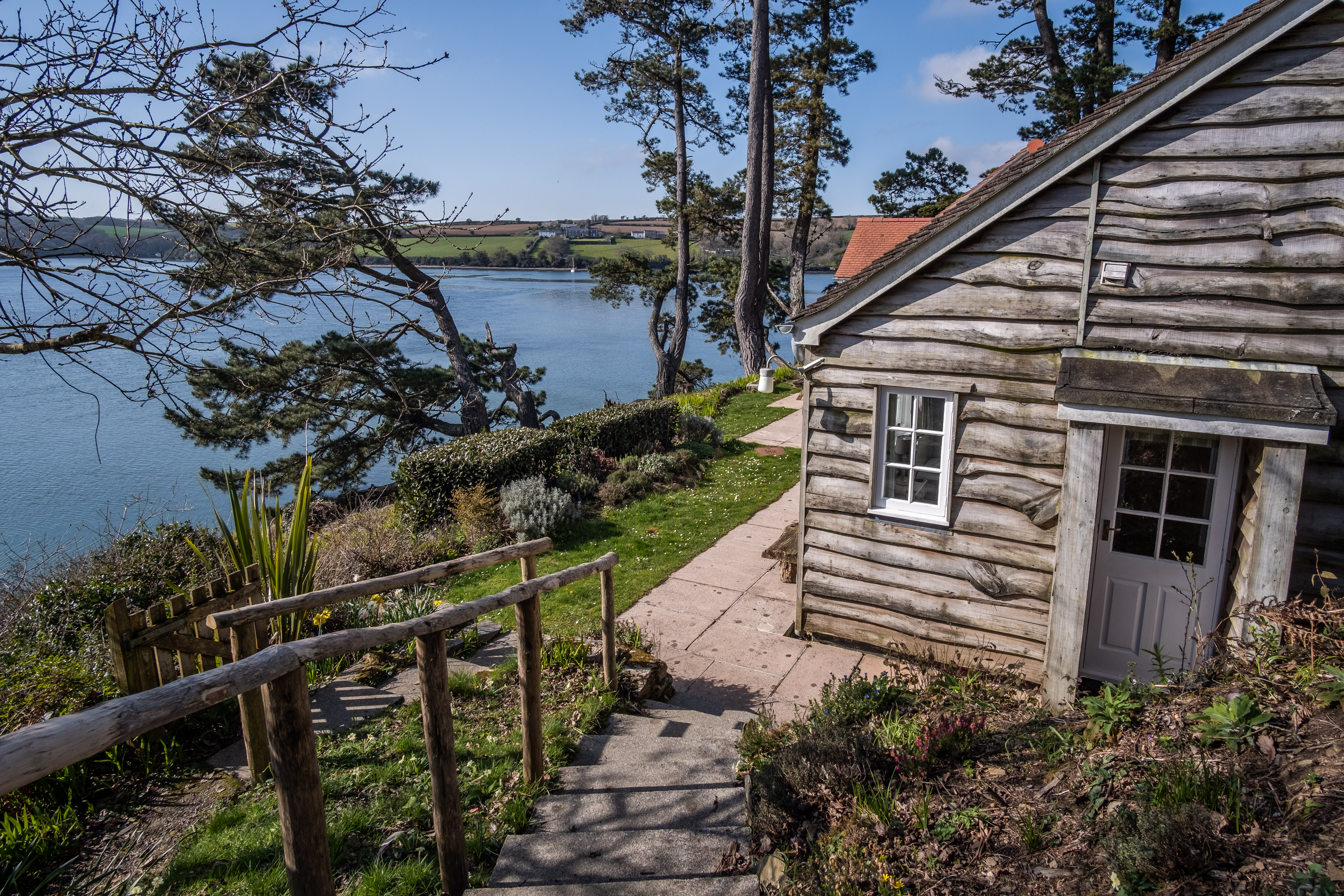
“He has had several large boats built for him and has sailed all over the world in them. Why, one wonders, did he stop his voyaging and settle in the Helford River for the last fifty years? Was it because he thought this was the loveliest place in the world?”
In 1920, mariner and artist Percy ‘Powders’ Thurburn came up the Helford River in the Iron Duke, left it in the cove known as the ‘Watering Place’, and first rented, then later bought, the seven acres of land around the mouth of Frenchman’s Creek, known as ‘The Downs’. Here he built a home for himself and his wife Anne. In 1946 he gifted the property to the National Trust, and would occupy it for the rest of his life. The property is now available to rent, bringing tourists to the area.
Inspiration
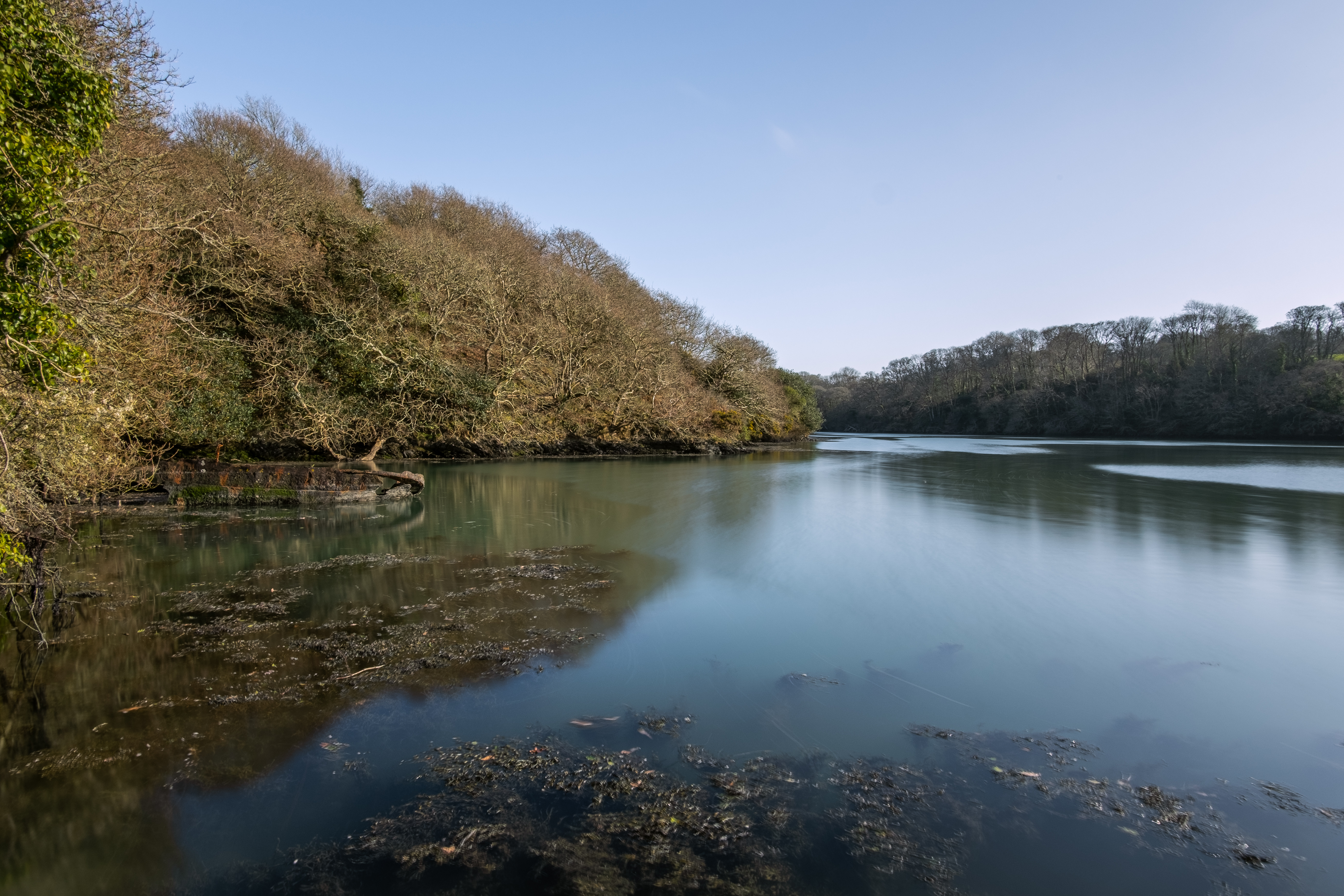
“There was a faint ripple on the water, and down with the ebbing tide came little wisps of grass, and a fallen leaf or two. It was very still.”
While the Helford river was an inspiration for Thurburn’s paintings, he and his ships may have been an inspiration for Daphne Du Maurier and her novel Frenchman’s Creek, along with the area’s history of smuggling and piracy. Lady Dona escapes London for the fictional Navron estate, and while exploring the grounds she finds her way to a hidden creek where she meets French pirate Jean-Benoit Aubéry. The story follows their romance and subsequent adventures, and Du Maurier effortlessly creates an enticing image of Frenchman’s Creek and the Helford river.
Origin
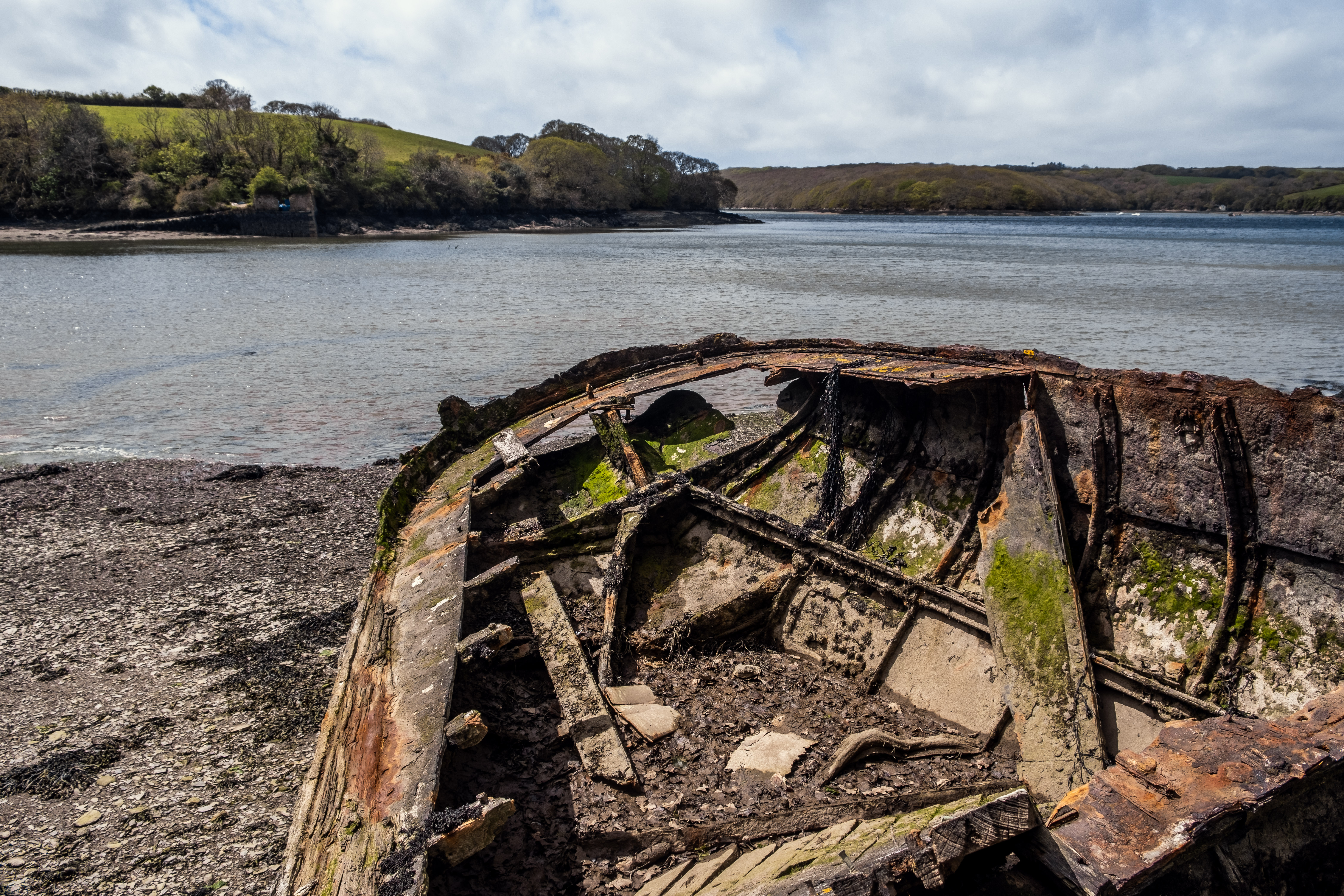
“When he decided that his seafaring days had come to an end, he steamed into the little stone jetty in an old steel ship towing a line of dinghies and other boats like a mother duck.”
Percy ‘Powders’ Thurburn was a sailor, a fisherman, and an artist. He spent his life on the open seas, sailing before the mast in square-rigged sailing ships and travelling the world. He made money as a fisherman, a gun runner, and even had a distinguished military war service at sea. It was his refusal to conform and need for isolation that brought him to the Helford river in 1920, his love of the sea and the effect of light, wind and weather that inspired his paintings.
Collection
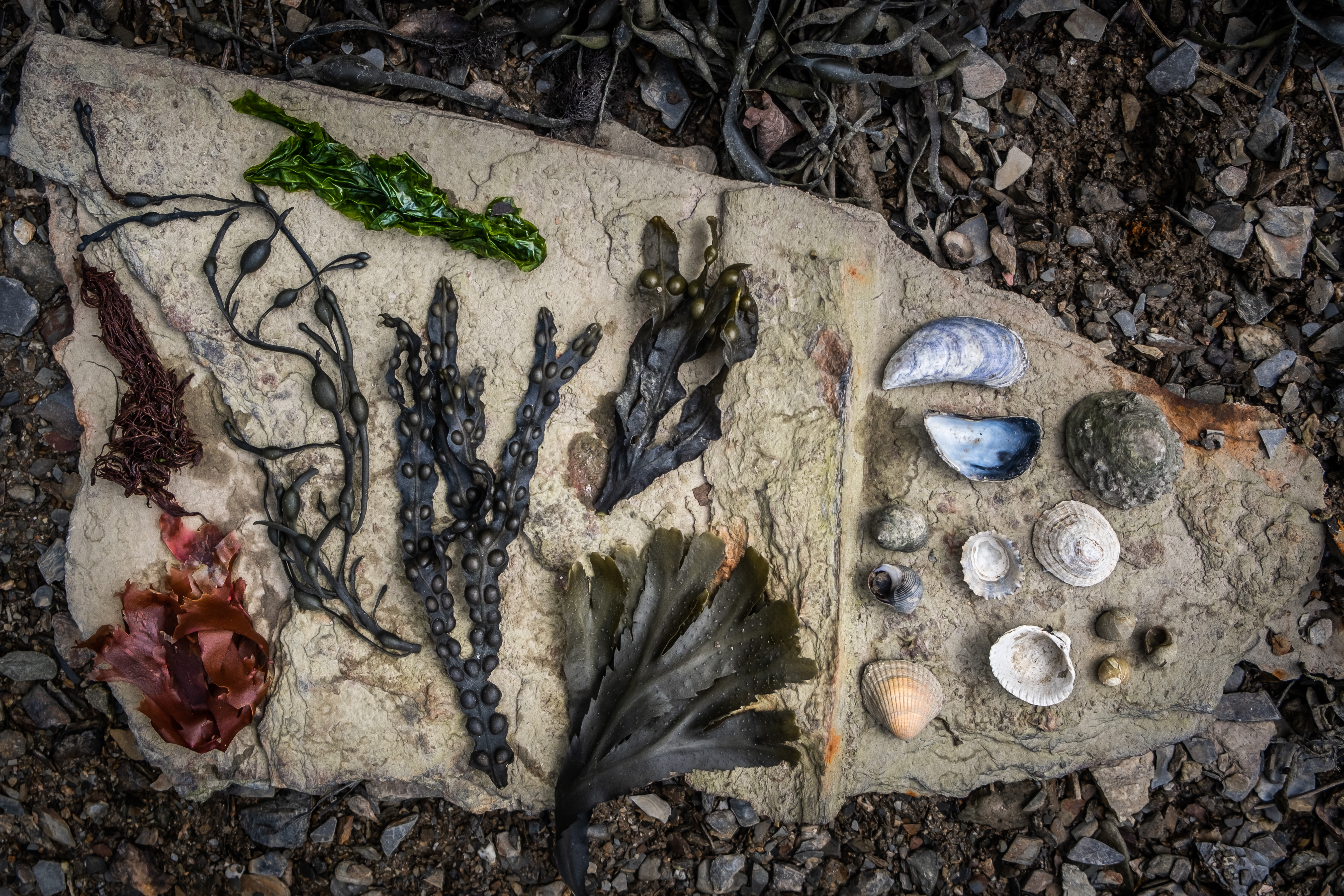
“A beach is not only a sweep of sand, but shells of sea creatures, the sea glass, the seaweed, the incongruous objects washed up by the ocean.”
Rhodophyta
Landlady’s wig (Ahnfeltia plicata)
Dulce (Rhodymenia palmata)
Chlorophyta
Sea lettuce (Ulva lactuca)
Phaeophyta
Knotted wrack (Ascophyllum nodosum)
Bladder wrack (Fucus vesiculosus)
Serrated wrack (Fucus serratus)
Mollusca
Common mussel (Mytilus edulis)
Common limpet (Patella vulgata)
Rough periwinkle (Littorina saxatilis)
Common cockle (Cerastoderma edule)
Flat periwinkle (Littorina littoralis)
Creek
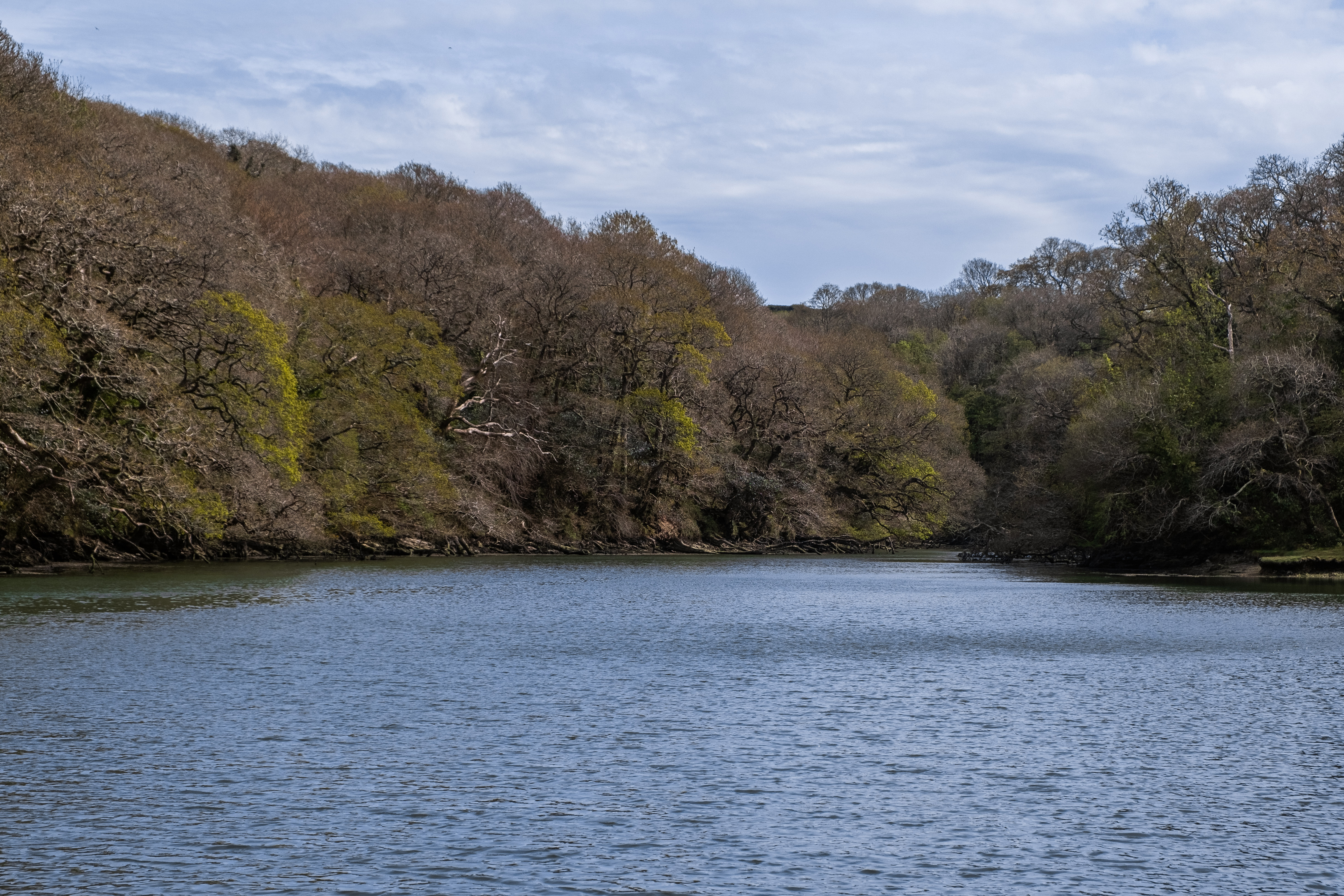
“The creek itself would seem still and silent after the boisterous sun and lifting sea, and
the trees, crowding by the water’s edge, would be kindly and gentle.”
Frenchman’s Creek and the Helford river were painted by Thurburn from 1920 until he died in 1961, made famous by Du Marier’s novel of the same name in 1941, and continues to attract people from all over the world, whether they come to see the boat and house of an artist, the inspiration of an author, or to just walk along the river admiring the views. While the shipwreck was what drew me here, I have learnt so much about the man who abandoned the Iron Duke 100 years ago, the history of the area, and just a few of the many species that live there.
 Josie Travels
Leave a comment