
The typical backpacker route takes you through all 7 countries of Central America: Belize, Guatemala, El Salvador, Honduras, Nicaragua, Costa Rica, and Panama, with southern Mexico being a perfect addition to the trip. It’s easy to see why this journey is so popular; good food, beautiful beaches, amazing activities, and friendly people. Here are a few things that I think everyone should know before setting off on their own adventure.
Choose the right time to go.
The dry season runs between December and April and is the most popular time to visit the region. The rainy season runs from April to December, with hurricane season during September and October.
The dry season will give you the best weather but it will be crowded and more expensive. The rainy season will be wet, but still warm, much cheaper and quieter. We travelled from October to December and managed to avoid almost all the bad weather!
Choose a direction.
We started in Mexico and made our way south to Panama. However, if you’re trying to decide on a route (and aren’t planning on heading into South America) I would definitely recommend starting in Panama City and making your way north from there.
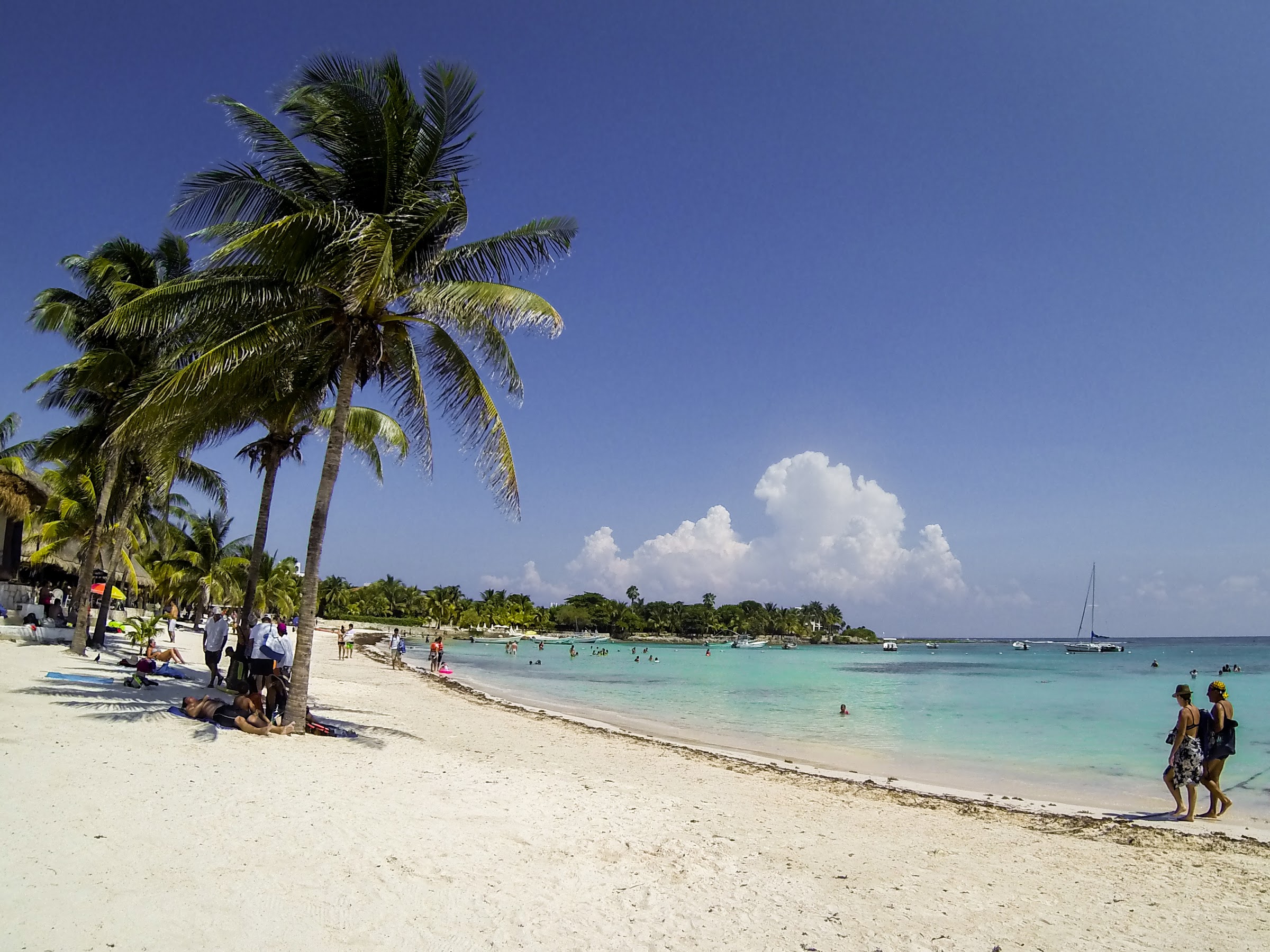
Everything gets better as you go; the beaches, the food, the prices.
Choose your travel buddy carefully.
I’ve always travelled alone and this was my first trip with someone else. The biggest problem I had was how unsociable I became. It was lonely and really put me off travelling with someone again, but I have since learned that you just need to be with the right person and then everything is better.
Pack the essentials.
Everything you might need is available to buy out there, so only pack a few travel-sized essentials: toothpaste, shampoo, soap, sunscreen, bug spray.
Invest in a good camera and pack an extra battery and SD card. I use a Canon 600D for everyday use and a GoPro for any adventurous activities. Pack a book for long bus rides and lazy days, there are book swaps at most hotels, or invest in a Kindle to save space in your bag.
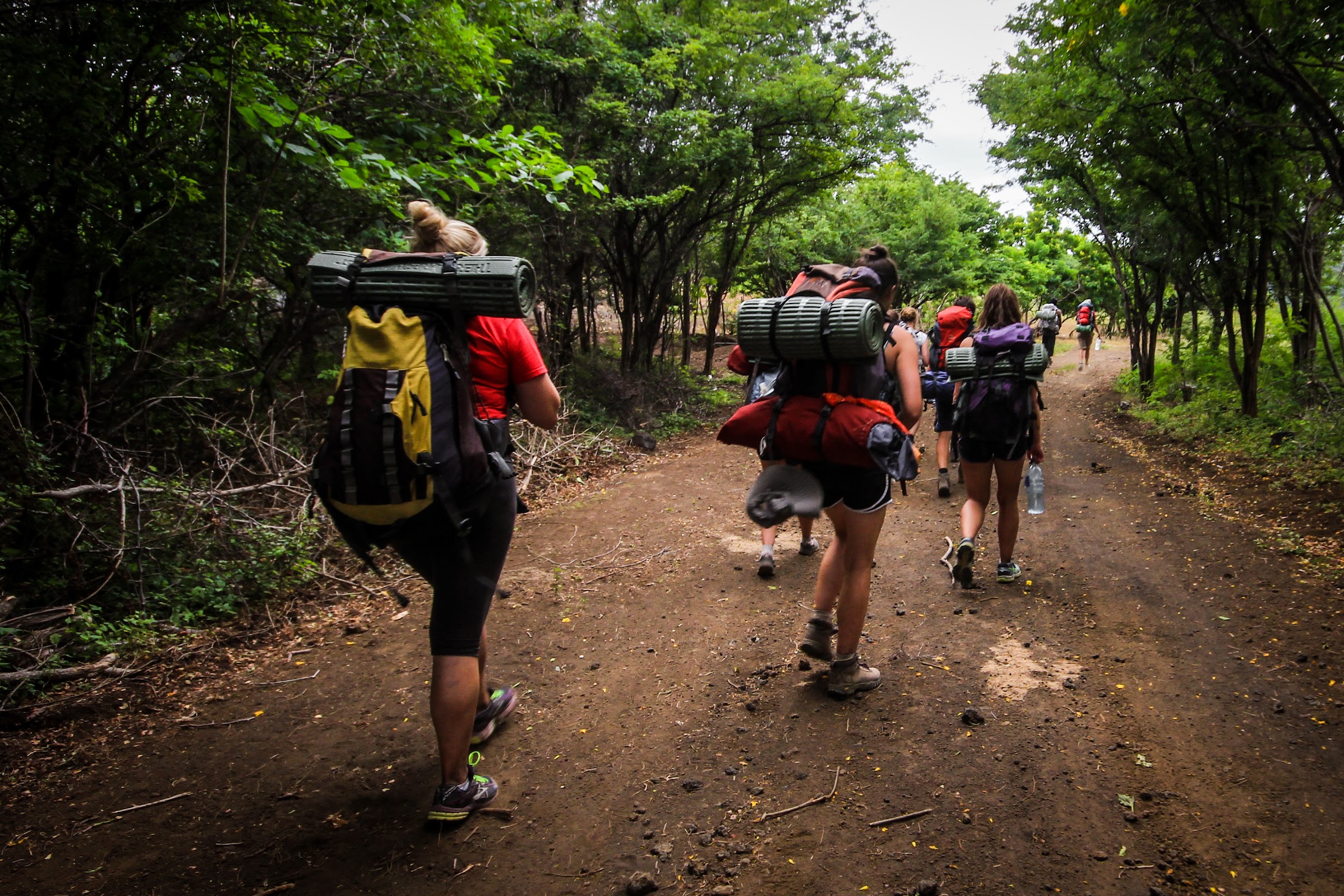
Pack light, quick-drying clothes, nothing heavy or bulky. A pair of trainers, a pair of full-length trousers or leggings (no denim), a long sleeve shirt and a light jumper for the sub-zero temperatures on the buses, as well as a few tops and bottoms you can mix and match.
Buy yourself a roll-top Drybag to compress clothes while travelling and to use for days out on the water.
Keep an open mind.
Smile, be friendly, ask questions, talk to the locals and other travellers, make the most of your time there to get to know other people and how they live. It will open your eyes to new experiences and new cultures, and you could get the chance to see or do something unique that isn’t in the guide book.
Learn some Spanish.
Even the simple things like please and thank you, asking for a room or catching the right bus. It’s almost essential; it’s not that people don’t speak English but they will appreciate your effort and you won’t feel like such a tourist.
You can pick up a small phrasebook, such as the Lonely Planet Spanish Phrasebook and Dictionary, that will teach you the basics as well as some conversational Spanish while helping you with pronunciation and grammar. It’s well worth it!
Duolingo is a failsafe way to learn from the beginning. And why not install Google Translate onto your phone and download the Spanish language pack to work offline? That way you have an instant translator with you wherever you are! Get it for Android and iPhone.
Use local transport.
There will be a ton of travel agents offering you ‘luxury’ tourist minibuses that will take you straight to your next destination, but it costs a lot more. For example, a minibus from El Tunco, El Salvador to San Pedro Sula, Honduras costs $70, using public transport cost us $16.50.
Using local buses takes more time and can be tiring but it saves a lot of money and is a much better adventure! All you have to do is ask the locals. Most are more than happy to direct you to the right bus, tell you when it leaves and how much it costs, you don’t even get ripped off that much.
Don’t be afraid.
I hated how negative everyone was about Central America. They told us how dangerous would be, how we shouldn’t walk anywhere at night, use local buses, or even use our cameras in public. We almost avoided El Salvador completely just because one guy had a few horror stories.
In reality, everyone was friendly, the local buses were the best option, we even arrived in the murder capital of the world at night with no problems. Of course, some people get into trouble and it could easily happen to you, but be street smart, don’t do anything stupid and you’ll probably be fine…?
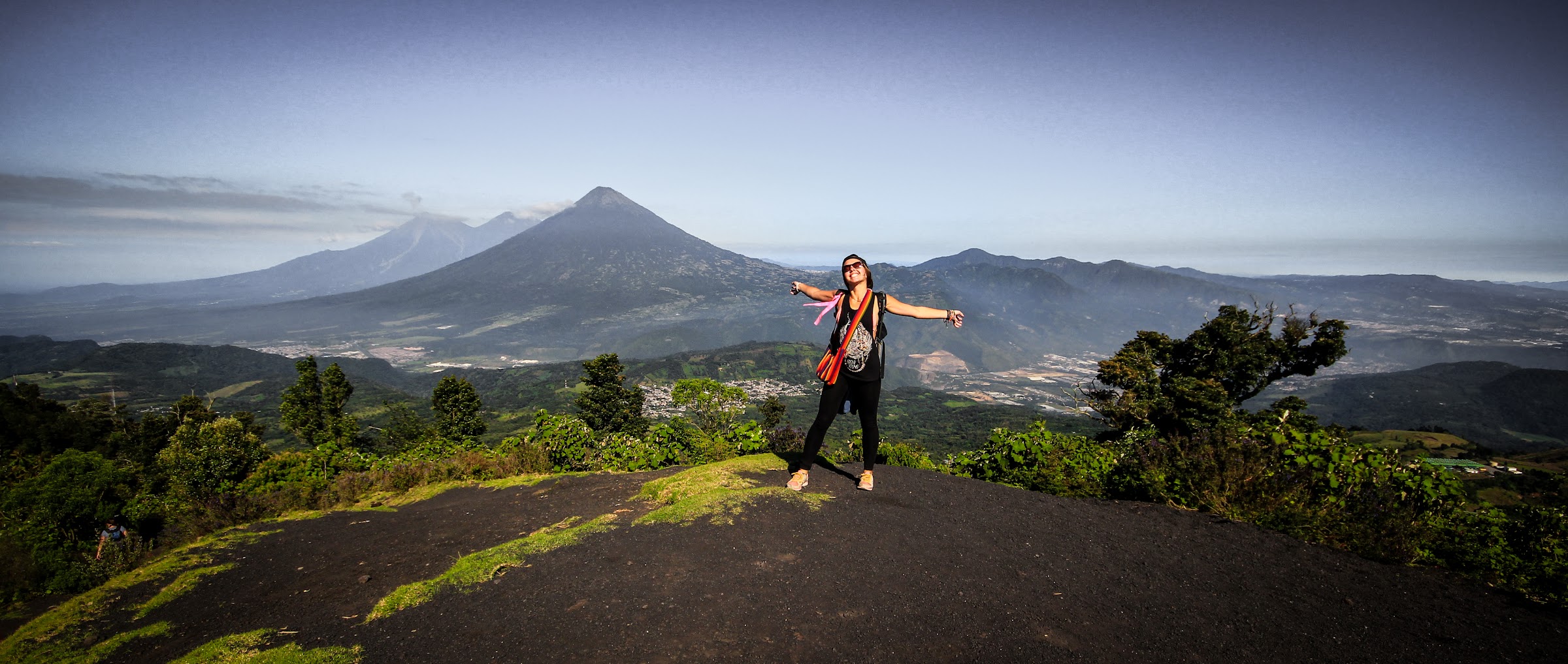
If you can think of any important tips for backpacking through Central America, or even anywhere in the world, feel free to leave a comment below!
 Josie Travels
Leave a comment